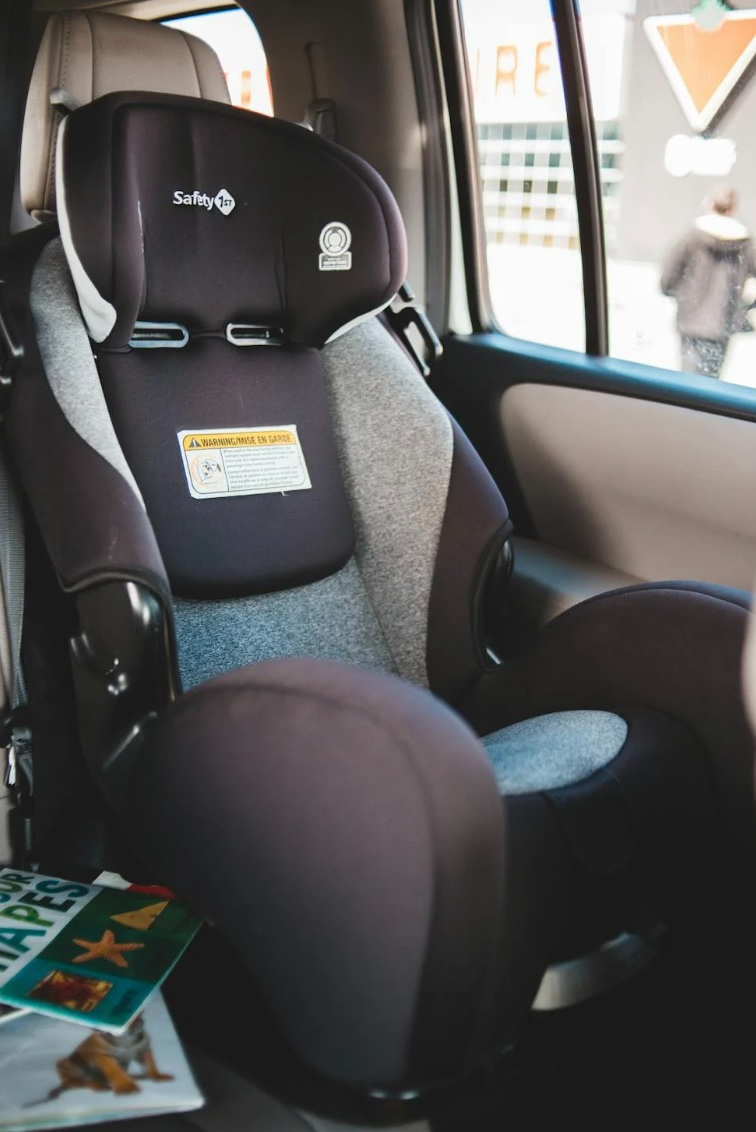
Ensuring the safety of our little ones while on the road is a top priority for every parent. Hyundai, known for its commitment to safety and family-friendly vehicle designs, makes installing child seats straightforward. However, the process can seem daunting if you’re doing it for the first time. In this guide, we’ll walk you through the steps on how to securely install child seats in your Hyundai, ensuring a safe and comfortable ride for your precious cargo.
Understanding the Types of Child Seats
Before we dive into the installation process, it’s crucial to understand the three main types of child seats based on age and size:
- Rear-Facing Seats: Ideal for newborns and young toddlers.
- Forward-Facing Seats: For toddlers and young children who have outgrown the rear-facing seat stage.
- Booster Seats: Designed for children who have outgrown forward-facing seats but still require additional height to safely use the vehicle’s seat belt.
Preparing for Installation
- Choose the Right Seat: Ensure the child seat is appropriate for your child’s age, height, and weight, and it is compatible with your Hyundai model.
- Read the Manuals: Always read both your vehicle’s owner manual and the child seat manual before installation. Hyundai’s manual will provide specific instructions and information about using the LATCH system (Lower Anchors and Tethers for Children) or the vehicle’s seat belts to secure the seat.
Installing a Rear-Facing Seat
- Locate LATCH Anchors: In your Hyundai, identify the LATCH anchors located in the back seat. They are usually marked with a symbol and found between the vehicle’s seat back and bottom cushion.
- Attach the Base: Connect the child seat base to the LATCH anchors, ensuring it’s snug and secure. If your child seat does not have a separate base, you’ll attach the seat itself.
- Check the Angle: Most rear-facing seats have an angle indicator or adjuster. Ensure it’s correctly aligned to support your child’s head and keep their airway clear.
- Secure the Top Tether: If your rear-facing seat comes with a top tether, anchor it accordingly. This step is more common in European models and may not apply to all seats.
Installing a Forward-Facing Seat
- Connect to LATCH Anchors: Like with the rear-facing seat, connect the forward-facing seat to your Hyundai’s LATCH anchors, ensuring it clicks into place securely.
- Utilize the Top Tether: Always use the top tether for forward-facing seats. Attach it to the designated tether anchor in your Hyundai, usually found on the back of the vehicle seat or on the rear shelf in sedans.
- Tighten and Check: After connecting the LATCH and tether, push down firmly on the seat and tighten the straps. The seat should not move more than an inch side-to-side or front-to-back.
Installing a Booster Seat
- Position the Seat: Place the booster seat in your Hyundai’s back seat. Unlike rear and forward-facing seats, boosters are typically secured by the vehicle’s seat belt.
- Route the Seat Belt: Follow your booster seat’s manual for proper seat belt routing to ensure your child is secured correctly.
- Buckle Up: Once the booster seat is in place and the seat belt is correctly routed, buckle the seat belt. Ensure there are no twists in the belt and that it lays flat across your child’s chest and lap.
Final Safety Checks
- Ensure Tightness: The child seat should not move more than an inch in any direction. If it does, tighten the connections.
- Recheck Periodically: Over time, connections can loosen. Regularly check and retighten as necessary.
- Register Your Child Seat: This ensures you’re notified of any recalls or safety notices.
Installing a child seat in your Hyundai doesn’t have to be complicated. By following these steps and always referring to your specific car seat and vehicle manuals, you can ensure your child rides safely on every trip. Remember, the back seat is the safest place for children under 13. Drive safely and enjoy the peace of mind of knowing your little one is secure.


Kelly Hyundai of Stroudsburg

Address
1534 North 9th Street
Stroudsburg, PA 18360
Phone
- Sales 570-776-9161
- Parts 570-776-9146
- Service 570-776-9311
| Monday | 9:00AM - 8:00PM |
| Tuesday | 9:00AM - 8:00PM |
| Wednesday | 9:00AM - 8:00PM |
| Thursday | 9:00AM - 8:00PM |
| Friday | 8:00AM - 7:00PM |
| Saturday | 9:00AM - 6:00PM |
| Sunday | Closed |
| Monday | 7:00AM - 6:00PM |
| Tuesday | 7:00AM - 6:00PM |
| Wednesday | 7:00AM - 6:00PM |
| Thursday | 7:00AM - 6:00PM |
| Friday | 7:00AM - 6:00PM |
| Saturday | 7:00AM - 5:00PM |
| Sunday | Closed |
| Monday | 7:00AM - 6:00PM |
| Tuesday | 7:00AM - 6:00PM |
| Wednesday | 7:00AM - 6:00PM |
| Thursday | 7:00AM - 6:00PM |
| Friday | 7:00AM - 6:00PM |
| Saturday | 7:00AM - 5:00PM |
| Sunday | Closed |