How to Know if Hyundai Fuel Pump is Bad

How to Know If You Have a Hyundai Fuel Pump Issue
A well-functioning fuel pump is crucial for the optimal performance of your Hyundai vehicle. The fuel pump ensures that the right amount of fuel is delivered from the tank to the engine, enabling smooth and efficient operation. When the fuel pump starts to fail, it can lead to a host of problems that may compromise your car's performance and safety. In this blog, we'll explore the common symptoms of a failing fuel pump, how to diagnose these issues, and when to seek professional help.
Common Symptoms of a Failing Fuel Pump
Engine Sputtering
One of the earliest signs of a failing fuel pump is engine sputtering. This often occurs when you're driving at high speeds. The engine may start to sputter and jerk, indicating that the fuel pump is struggling to supply a consistent flow of fuel.
Difficulty Starting
If your Hyundai is taking longer than usual to start or requires multiple attempts, a failing fuel pump might be to blame. A weak or failing pump can't deliver the necessary fuel pressure to start the engine promptly.
Loss of Power
Another common symptom is a noticeable loss of power, especially when accelerating or driving uphill. If the fuel pump can’t maintain the required pressure, your vehicle will struggle to perform under load.
Diagnosing Fuel Pump Issues
Listen for Unusual Noises
One way to diagnose a failing fuel pump is by listening for unusual noises. When you turn the key in the ignition, a properly functioning fuel pump should make a quiet whirring sound. If you hear loud whining or no noise at all, it could be an indication of a problem.
Check for Warning Lights
Modern Hyundai vehicles come equipped with advanced diagnostic systems. If there's an issue with the fuel pump, the check engine light might illuminate. Use an OBD-II scanner to read any trouble codes, which can give you a clearer idea of the issue.
Monitor Fuel Pressure
You can also diagnose a failing fuel pump by checking the fuel pressure. This requires a fuel pressure gauge, which can be attached to the fuel injection rail. Consult your Hyundai's manual for the correct fuel pressure specifications. If the pressure is below the recommended range, the fuel pump might be failing.
When to Seek Professional Help
If you experience any of the symptoms mentioned above, it's essential to seek professional help promptly. Ignoring a failing fuel pump can lead to more severe issues, such as engine damage or complete breakdown. A certified Hyundai technician can perform a thorough diagnosis and recommend the best course of action.
Potential Consequences of Ignoring Fuel Pump Problems
Ignoring fuel pump problems can lead to a host of issues, including:
- Reduced Fuel Efficiency: A failing fuel pump can cause your engine to run inefficiently, leading to lower fuel economy.
- Engine Damage: Prolonged fuel pump issues can cause engine components to wear out prematurely.
- Breakdowns: A completely failed fuel pump can leave you stranded, requiring a costly tow and repair.
In conclusion, recognizing the signs of a failing fuel pump and taking prompt action can save you from costly repairs and ensure your Hyundai remains in top condition. If you notice engine sputtering, difficulty starting, or a loss of power, don't hesitate to consult a professional. Your Hyundai's performance and your safety are too important to ignore.
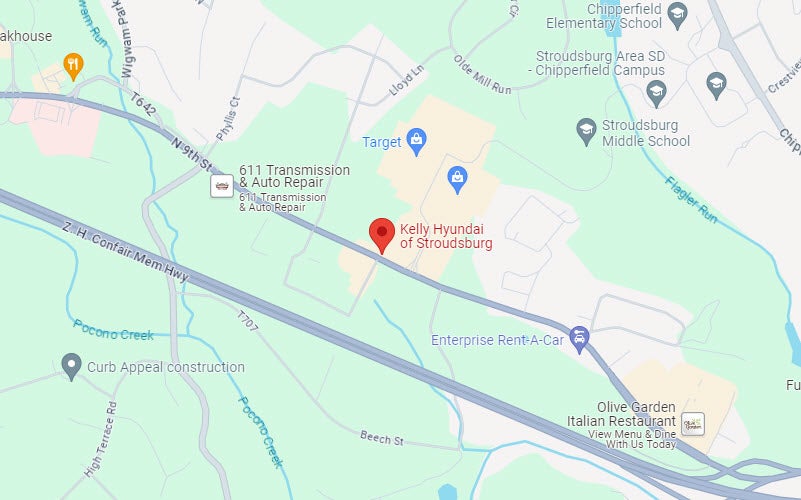
Kelly Hyundai of Stroudsburg
Address
1534 North 9th Street
Stroudsburg, PA 18360
Phone
- Sales 570-776-9161
- Parts 570-776-9146
- Service 570-776-9311
| Monday | 9:00AM - 8:00PM |
| Tuesday | 9:00AM - 8:00PM |
| Wednesday | 9:00AM - 8:00PM |
| Thursday | 9:00AM - 8:00PM |
| Friday | 8:00AM - 7:00PM |
| Saturday | 9:00AM - 6:00PM |
| Sunday | Closed |
| Monday | 7:00AM - 6:00PM |
| Tuesday | 7:00AM - 6:00PM |
| Wednesday | 7:00AM - 6:00PM |
| Thursday | 7:00AM - 6:00PM |
| Friday | 7:00AM - 6:00PM |
| Saturday | 7:00AM - 5:00PM |
| Sunday | Closed |
| Monday | 7:00AM - 6:00PM |
| Tuesday | 7:00AM - 6:00PM |
| Wednesday | 7:00AM - 6:00PM |
| Thursday | 7:00AM - 6:00PM |
| Friday | 7:00AM - 6:00PM |
| Saturday | 7:00AM - 5:00PM |
| Sunday | Closed |